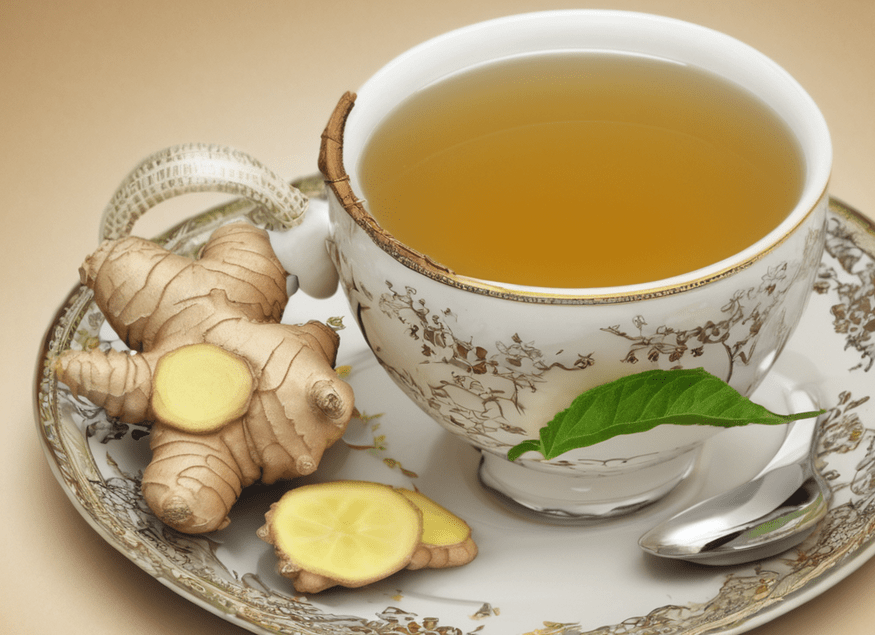
The Ancient Elixir: What Exactly is Ginger Tea?
Imagine a soothing warmth spreading through you with every sip – that's the experience many associate with a cup of ginger tea. Far from being a mere beverage, this potent brew, crafted from the root of the
Zingiber officinale plant, boasts a storied history in Traditional Chinese Medicine and various Asian cultures. For centuries, it has been revered for both its culinary versatility and its impressive array of health benefits.
Despite its popular name, it's important to clarify that
ginger tea isn't technically a "tea" in the botanical sense. True teas (black, green, white, oolong) come from the
Camellia sinensis plant. Ginger tea, in contrast, is an herbal infusion or "tisane" made by steeping fresh ginger root in boiling water. This simple distinction doesn't diminish its power; if anything, it highlights the pure, unadulterated goodness of ginger itself. Across the globe, this comforting drink goes by many names – shōgayu in Japan, saenggang-cha in Korea, teh halia or teh jahe in Southeast Asia, and salabat in the Philippines – each reflecting its deep cultural roots and widespread appreciation.
Historians suggest ginger's journey into a beverage may have begun as early as the Tang dynasty in 7th-century China, initially added to tea as a flavor enhancer. Over time, its inherent medicinal properties became recognized, transforming it into a standalone remedy. From quelling an upset stomach to combating inflammation, ginger tea has stood the test of time, and modern science is increasingly validating these ancient claims.
Unpacking the Science: Proven Health Benefits of Ginger Tea
While anecdotes and traditional wisdom have long championed ginger tea, what does contemporary science say about its health effects? The good news is that much of the hype surrounding this humble root is supported by research, particularly concerning its digestive and anti-inflammatory prowess. Here’s a closer look at the evidence-backed benefits of consuming ginger tea. For a more detailed look at its advantages, check out our article on
Ginger Tea Benefits: Nausea Relief, History, & Simple Recipes.
Nausea and Vomiting Relief
Perhaps the most celebrated benefit of ginger tea is its remarkable ability to alleviate nausea. Whether it's the unsettling churn of motion sickness, the queasiness of morning sickness during pregnancy, or the difficult side effects of chemotherapy, many people instinctively reach for ginger. And science confirms this instinct.
Several studies have highlighted ginger's efficacy. One review concluded that ginger is a safe, effective, and inexpensive treatment for nausea and vomiting induced by various conditions, including chemotherapy, pregnancy, and motion sickness. Another comprehensive review echoed these findings, noting ginger's capacity to significantly improve nausea, vomiting, and fatigue in chemotherapy patients. For expectant mothers, ginger has proven effective against morning sickness, offering a natural alternative to pharmaceutical interventions, though continued research into its clinical value and safety profile during pregnancy is always warranted for a complete understanding. The active compounds in ginger, particularly gingerols and shogaols, are believed to interact with gastrointestinal receptors and the central nervous system to reduce feelings of sickness.
Anti-Inflammatory Powerhouse
Chronic inflammation is a silent culprit behind many modern diseases, from arthritis to heart conditions. Ginger has long been recognized for its potent anti-inflammatory properties, making ginger tea a valuable addition to an anti-inflammatory diet. The same gingerols and shogaols responsible for its pungent flavor are also powerful bioactive compounds with significant anti-inflammatory and antioxidant effects.
These compounds work by inhibiting the production of pro-inflammatory cytokines and enzymes in the body. Regular consumption of ginger tea may therefore help reduce muscle pain after intense exercise, soothe the symptoms of osteoarthritis, and generally contribute to a reduction in systemic inflammation. While not a cure, incorporating ginger tea into your daily routine can be a proactive step towards managing inflammatory responses naturally.
Potential for Cardiovascular Health
While more robust, long-term human studies are needed to draw definitive conclusions, preliminary research suggests ginger may play a supportive role in cardiovascular health. The context provided mentions a study finding that "drinking ginger tea daily re...", indicating a positive effect on blood pressure. Ginger has been shown in some studies to help lower blood pressure and cholesterol levels, factors crucial for heart health. Its ability to improve circulation and reduce oxidative stress further contributes to a healthy cardiovascular system. These effects are attributed to ginger's rich antioxidant content, which helps protect blood vessels from damage and supports optimal blood flow. As always, ginger tea should complement, not replace, prescribed medical treatments for heart conditions.
Beyond the Belly: Other Promising Areas
The benefits of ginger extend beyond just nausea and inflammation, though these are the most well-researched. Traditional uses and emerging studies point to several other potential advantages:
*
Pain Relief: Ginger's anti-inflammatory properties make it a traditional remedy for various types of pain, including menstrual cramps (dysmenorrhea) and muscle soreness.
*
Digestive Aid: Beyond nausea, ginger can aid overall digestion, helping to stimulate digestive enzymes, alleviate indigestion, and reduce bloating and gas.
*
Immune Support: Packed with antioxidants and immune-modulating compounds, ginger tea can help bolster the body's defenses, especially during cold and flu season. Its warming properties are often sought for soothing sore throats and congestion.
*
Weight Management: Some research indicates ginger may have a role in weight management by increasing thermogenesis (heat production) and enhancing feelings of fullness, though this area requires further investigation.
*
Blood Sugar Regulation: Preliminary studies suggest ginger may help improve blood sugar control, which could be beneficial for individuals with or at risk of type 2 diabetes. However, more extensive human trials are needed.
Brewing Your Own: Simple Steps to a Perfect Cup
One of the greatest advantages of ginger tea is how incredibly simple it is to prepare at home, requiring minimal ingredients, time, and effort. Opting for fresh ginger over pre-packaged tea bags (which often contain flavored tea leaves rather than pure ginger) ensures you get the full spectrum of its beneficial compounds.
Here’s a basic, versatile recipe to get you started:
- Gather Your Ginger: Start with a fresh piece of ginger root, about 1-2 inches long. Look for ginger that is firm, smooth, and free of blemishes.
- Prepare the Ginger: Wash the ginger thoroughly. While some prefer to peel it, the skin contains beneficial compounds, so a good scrub is often sufficient. You can slice it thinly, grate it, or even slightly crush it to expose more surface area and intensify the flavor.
- Steep in Hot Water: Place the prepared ginger into a heat-resistant mug. Pour about 8-10 ounces of freshly boiled water over the ginger.
- Steep to Your Liking: Let the ginger steep for 5 to 10 minutes. For a milder flavor, steep for less time; for a stronger, spicier brew, steep longer.
- Strain and Serve: Carefully strain out the ginger pieces.
- Customize (Optional): Enhance your ginger tea with a squeeze of fresh lemon or lime juice for added zest and vitamin C, or a teaspoon of honey, maple syrup, or agave nectar for sweetness. You can also experiment by adding a pinch of black pepper (which can enhance the bioavailability of ginger's compounds), a cinnamon stick, or a slice of turmeric. If the taste is too strong, simply add more hot water to dilute it.
Because it consists solely of ginger and hot water, homemade ginger tea is naturally caffeine-free, making it an ideal choice for any time of day, including before bed. If you opt for pre-made ginger tea bags, always check the label, as some might combine ginger with actual tea leaves, introducing caffeine.
Important Considerations and Potential Side Effects
While ginger tea is generally considered safe for most people, it's crucial to be aware of potential side effects and interactions, especially if consumed in large quantities or if you have underlying health conditions.
*
Digestive Upset: In high doses, ginger can cause mild side effects like heartburn, indigestion, diarrhea, or general stomach upset. This is often dose-dependent, so starting with smaller amounts and observing your body's reaction is wise.
*
Blood-Thinning Effects: Ginger has natural blood-thinning properties. If you are taking anticoagulant medications (blood thinners) like warfarin, or have a bleeding disorder, consult your doctor before regularly consuming ginger tea, as it could increase the risk of bleeding.
*
Blood Sugar and Blood Pressure Medications: Ginger may slightly lower blood sugar and blood pressure. Individuals on medications for diabetes or high blood pressure should monitor their levels and consult their healthcare provider to avoid potential interactions or synergistic effects that could lead to levels dropping too low.
*
Pregnancy: While ginger is often recommended for morning sickness, the clinical value and safety profile for long-term or high-dose use during pregnancy are not fully established. Pregnant individuals should always consult their doctor before incorporating ginger tea into their routine.
*
Before Surgery: Due to its potential blood-thinning effects, it's generally advised to stop consuming ginger products, including ginger tea, at least two weeks before any scheduled surgery.
Always listen to your body and consult with a healthcare professional, especially if you have pre-existing health conditions, are pregnant, breastfeeding, or taking medications. They can provide personalized advice on whether ginger tea is appropriate for you and in what quantities.
Conclusion
Ginger tea, a humble yet powerful infusion, truly stands as a testament to nature's healing bounty. Its centuries-old legacy in traditional medicine is increasingly affirmed by modern scientific inquiry, particularly concerning its impressive ability to quell nausea, combat inflammation, and offer potential support for cardiovascular health. From its soothing warmth to its profound bioactive compounds, a cup of ginger tea offers more than just comfort—it provides a wealth of scientifically-backed benefits. By understanding its true nature, knowing how to prepare it, and being mindful of its potential considerations, you can mindfully integrate this ancient elixir into your wellness routine. Embrace the spicy, comforting embrace of ginger tea and unlock a world of natural well-being.