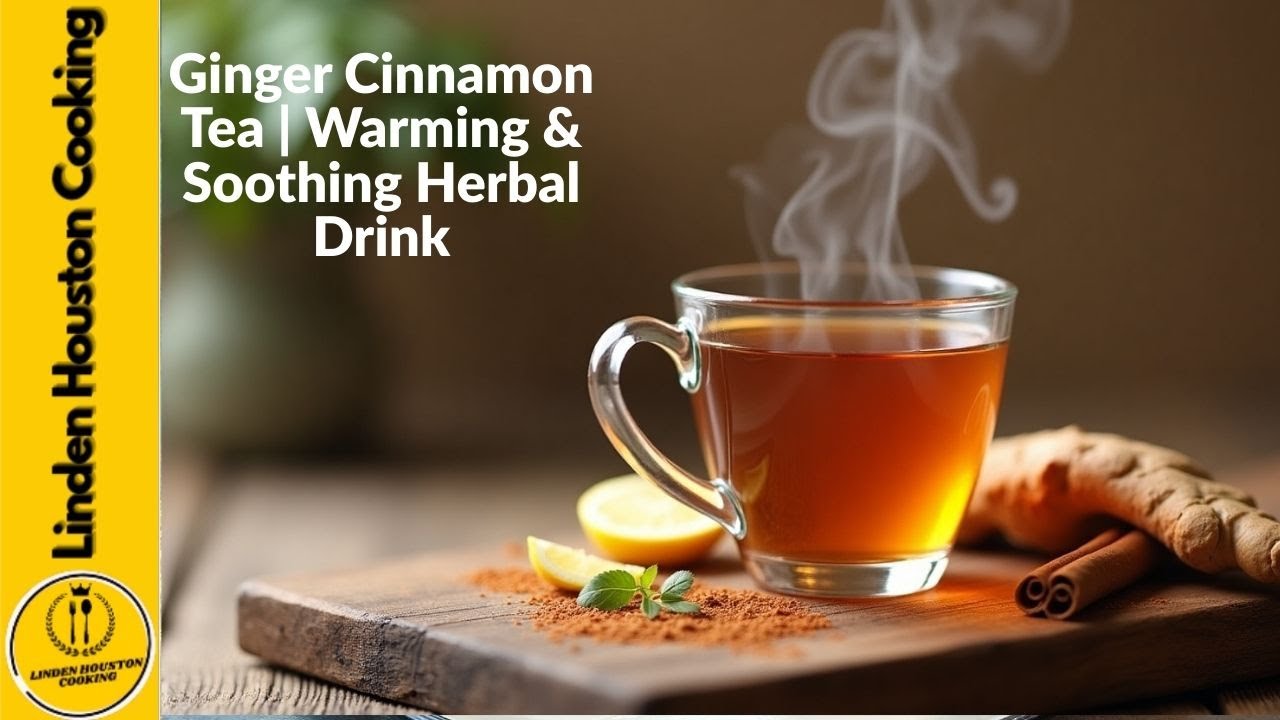
Imagine a warm, comforting embrace in a mug – that’s often how people describe a good cup of ginger tea. This potent brew, crafted from the earthy root of the Zingiber officinale plant, has been a cherished staple in traditional medicine and culinary practices for centuries. Whether you're seeking relief from a queasy stomach, a warming sensation on a chilly day, or simply a delicious and naturally caffeine-free beverage, ginger tea offers a compelling package of advantages. But here's a little secret right from the start: despite its popular name, this invigorating infusion isn't technically a "tea" at all, as it contains no tea leaves. Instead, it's a vibrant herbal infusion, packed with natural goodness. This article will guide you through the simple, rewarding process of making your own ginger tea, unlocking its full flavor and potential benefits right in your kitchen.
The Ancient Roots of a Modern Elixir: A Glimpse into Ginger Tea's History
The story of ginger and its celebrated infusion is deeply interwoven with the history of various cultures, particularly across Asia. For millennia, ginger has been revered not just as a spice but as a powerful medicinal herb. Its journey into a warm beverage is believed to have begun as early as seventh-century China during the Tang dynasty. Historians suggest that ginger was initially added to traditional tea as a flavor enhancer, evolving over time into a standalone infusion prized for its distinct taste and therapeutic properties.
Across the continent, ginger tea boasts a multitude of names, reflecting its widespread adoption and cultural significance. In Japan, it’s known as shōgayu, while Koreans cherish saenggang-cha. Malaysia and Indonesia call it teh halia or teh jahe respectively, and in the Philippines, it's a comforting salabat. This rich tapestry of names underscores ginger tea's enduring legacy as a go-to remedy for a variety of ailments, from quelling nausea and soothing pain to aiding digestion and supporting overall well-being. Its consistent use throughout history is a testament to its perceived effectiveness and universal appeal. To delve deeper into its storied past and wide-ranging advantages, you might find our article, Ginger Tea Benefits: Nausea Relief, History, & Simple Recipes, particularly insightful.
Why Brew Your Own? Unlocking the True Essence of Ginger Tea
In today's fast-paced world, convenience often takes precedence. Supermarket shelves are stocked with ginger-flavored tea bags and pre-made ginger drinks. However, there's a significant difference between these commercial offerings and a freshly brewed cup of homemade ginger tea. Many store-bought "ginger teas" are actually regular tea leaves (like black or green tea) infused with ginger flavor, or contain only a small proportion of actual ginger, often dried and less potent. This means they might contain caffeine and lack the vibrant, authentic taste and robust health benefits found in an infusion made solely from fresh ginger root.
Making your own ginger tea gives you complete control over the ingredients, ensuring purity and freshness. You dictate the strength, adjust the flavor profile to your liking, and ensure that every sip is packed with the potent compounds that make ginger so beneficial. This DIY approach guarantees a pure, caffeine-free beverage (unless you choose to add caffeinated tea leaves yourself), making it an ideal choice for any time of day, even before bed. The process itself is surprisingly simple and incredibly rewarding, transforming a humble root into a revitalizing elixir.
Crafting Your Perfect Cup: A Step-by-Step Guide to Homemade Ginger Tea
Making your own invigorating ginger tea is an experience that delights the senses and offers a potent dose of nature's goodness. Forget complex recipes or exotic ingredients – all you truly need is fresh ginger and hot water. Here’s how to brew your ideal cup.
The Essentials You'll Need:
- Fresh Ginger Root: Look for firm, smooth ginger with taut skin. Avoid pieces that are shriveled, moldy, or excessively fibrous. A 1-inch piece is a good starting point for a single mug, but you can adjust based on desired strength.
- Boiling Water: Filtered water often yields a cleaner taste.
- Basic Kitchen Tools: A heat-resistant mug, a sharp knife, a peeler (or even a spoon for peeling!), and a strainer.
Preparation Steps for the Basic Brew:
- Wash and Peel the Ginger: Start by thoroughly washing your chunk of fresh ginger under running water. While some recipes suggest leaving the peel on, peeling generally yields a smoother, less earthy flavor. A small spoon is surprisingly effective for scraping away the thin skin, especially around knots and bumps, minimizing waste compared to a peeler.
- Slice or Grate: Once peeled, slice the ginger into thin rounds or small pieces. For a stronger, more pungent tea, you can grate the ginger – this increases the surface area, allowing more of its beneficial compounds and flavor to infuse into the water. Place your prepared ginger slices or grated ginger at the bottom of your mug.
- Pour Boiling Water: Carefully pour freshly boiled water over the ginger in your mug.
- Steep to Perfection: Cover your mug (a small plate works wonders) to trap the heat and allow the ginger to steep. The steeping time is crucial for flavor intensity.
- For a milder tea: steep for 5 minutes.
- For a medium-strength tea: steep for 7-10 minutes.
- For a potent, spicy brew: steep for 10-15 minutes or even longer.
- Strain and Serve: Once steeped to your liking, use a fine-mesh strainer to remove the ginger pieces from the liquid. This prevents the tea from becoming excessively strong or bitter. Your pure, warming ginger infusion is now ready to enjoy.
Customization and Flavor Variations:
The basic ginger tea recipe is a fantastic starting point, but it's also a canvas for endless creativity. Feel free to personalize your brew with these delicious additions:
- Sweeteners: A drizzle of honey or maple syrup can balance ginger's spicy kick, adding a soothing sweetness.
- Citrus Zest: A squeeze of fresh lemon or lime juice brightens the flavor, adding a refreshing tang and an extra dose of Vitamin C. You can also steep a slice of citrus along with the ginger.
- Spices: For an aromatic twist, consider adding a cinnamon stick, a few cloves, or a pinch of black pepper during the steeping process. These spices not only enhance flavor but also bring their own set of potential health benefits.
- Herbs: A sprig of fresh mint or a few basil leaves can introduce a surprising and delightful freshness.
If you find your tea too strong after steeping, simply dilute it with more hot water to achieve your desired intensity. Remember, the beauty of homemade ginger tea lies in its adaptability.
Beyond the Brew: The Potential Wellness Perks of Your Ginger Infusion
While we now know it's not technically "tea," the potent infusion derived from ginger root offers a compelling array of potential health benefits, many of which have been supported by centuries of traditional use and a growing body of scientific research. Let's explore some of the most prominent wellness perks you might experience from regularly enjoying your homemade ginger tea.
Nausea Relief: The Most Celebrated Benefit
Of all ginger's potential benefits, its remarkable ability to quell nausea is undoubtedly the most well-known and scientifically validated. Many instinctively reach for ginger during bouts of stomach flu, motion sickness, or morning sickness. Fortunately, the widespread belief in ginger's anti-nausea properties holds true. Research indicates that ginger is a safe, effective, and inexpensive natural remedy for a queasy stomach. Studies have shown its efficacy in reducing nausea and vomiting associated with chemotherapy, pregnancy-related morning sickness, and motion sickness. While more research is always beneficial, the evidence strongly supports ginger tea as a comforting and effective solution for an upset stomach. For a deeper dive into the scientific backing behind ginger's health claims, our article, Unraveling Ginger Tea: What Science Says About Its Health Effects, offers comprehensive insights.
Anti-Inflammatory and Pain-Relieving Properties
Ginger is rich in compounds called gingerols, which are powerful antioxidants and possess significant anti-inflammatory properties. This makes ginger tea a popular choice for those seeking natural relief from various types of pain and inflammation. From soothing muscle soreness after a workout to alleviating menstrual discomfort, the anti-inflammatory action of ginger can contribute to overall well-being and pain management. While it's not a magic bullet, a warm cup can offer a gentle, natural complement to other pain relief strategies.
Digestive Aid and Stomach Soother
Beyond its prowess in combating nausea, ginger tea can act as a general digestive aid. It helps stimulate digestion, promoting the efficient movement of food through the digestive tract. This can alleviate symptoms like bloating, indigestion, and gas, leaving you feeling more comfortable and settled after meals. Its carminative properties help relax the muscles in the gastrointestinal tract, further contributing to digestive comfort.
Warming and Circulation-Boosting Comfort
Ginger has a natural thermogenic effect, meaning it can help warm the body from the inside out. This makes ginger tea an ideal beverage for colder months or when you're feeling chilled. This warming quality is also linked to its potential to promote healthy circulation, which can be beneficial for overall vitality. Traditionally, ginger has been used to help ward off common colds and flu, and while more scientific backing is needed for these specific claims, the comforting warmth and potential immune-supportive properties make it a go-to during seasonal sniffles.
While ginger tea has been around for centuries, and many of its purported benefits are strongly supported, it's always important to remember that it is a natural remedy and not a substitute for professional medical advice, especially for serious conditions. However, incorporating this delightful and beneficial brew into your daily routine is a simple step towards enhanced wellness.
Embracing the art of making your own ginger tea is a journey into flavor, tradition, and well-being. It's a testament to how simple, natural ingredients can create something profoundly comforting and beneficial. From its ancient origins as a medicinal elixir to its modern role as a beloved, caffeine-free beverage, ginger tea continues to charm and heal. By taking a few minutes to brew a cup from fresh ginger root, you’re not just making a drink; you’re crafting a personalized moment of tranquility and health. So, go ahead, peel that ginger, boil that water, and savor the unique magic of your homemade ginger infusion – a true gift from nature, brewed with love.
