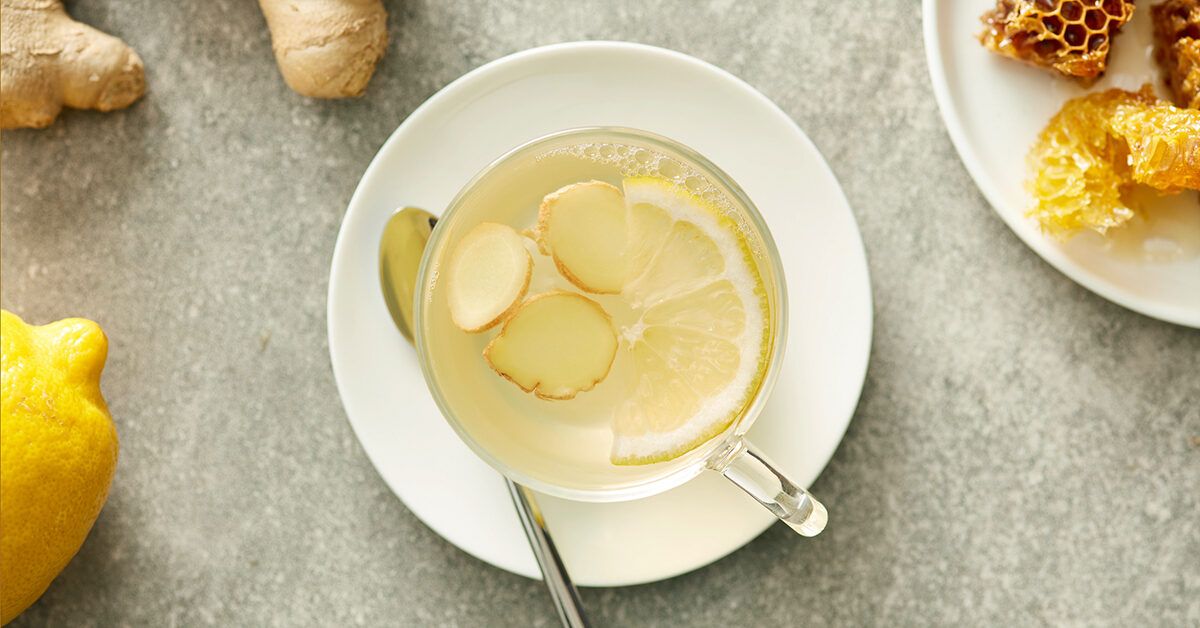
Ginger Tea Benefits: Nausea Relief, History, & Simple Recipes
Imagine a warm, comforting embrace in a mug – that’s often how people describe a good cup of ginger tea. This potent brew, made from the aromatic root of the Zingiber officinale plant, has been a cherished staple in traditional medicine for centuries, particularly across Asian cultures. Whether you're seeking potent relief from an upset stomach, a gentle boost to your immune system, or simply a delicious, warming beverage to soothe your senses, ginger tea offers a compelling package of advantages that have stood the test of time.
Often referred to as shōgayu, saenggang-cha, teh halia, teh jahe, or salabat in various regions, this remarkable infusion is not technically a "tea" in the traditional sense, as it contains no tea leaves from the Camellia sinensis plant. Instead, it's a vibrant herbal decoction crafted by steeping fresh ginger root in boiling water. Despite this botanical distinction, its popularity and perceived benefits have cemented its place in countless daily rituals and wellness routines worldwide.
The Ancient Roots of Ginger Tea: A Journey Through History
The story of ginger tea is deeply intertwined with the annals of traditional medicine and culinary innovation. Its origins can be traced back thousands of years, with significant prominence in Traditional Chinese Medicine (TCM). Some historians even posit that the practice of adding ginger to beverages dates as far back as the Tang dynasty in seventh-century China, where ginger was initially incorporated into tea as a flavor enhancer. This early adoption marked the beginning of ginger's dual role in both gastronomy and therapeutic applications.
From China, the knowledge and use of ginger spread across Asia, becoming a cornerstone in diverse healing traditions. Across the continent, from Korea to Malaysia and beyond, ginger was revered for its warming properties and its ability to address a wide array of ailments. Historically, ginger tea has been employed to combat nausea, alleviate various forms of pain, reduce inflammation, support cardiovascular health by managing blood pressure, aid in weight management efforts, and even act as a general tonic for vitality. This rich, multicultural history underscores not only ginger’s versatility but also its enduring legacy as a potent natural remedy.
Unpacking the Potent Perks: Proven Benefits of Ginger Tea
While generations have sworn by ginger's healing properties, modern science is increasingly validating many of these traditional claims. Ginger tea offers a spectrum of benefits, making it a beloved choice for daily wellness.
The Gold Standard for Nausea Relief
Of all ginger’s potential benefits, its unparalleled ability to quell nausea and vomiting is arguably its most celebrated and scientifically supported attribute. Many people intuitively reach for ginger in various forms—be it ginger chews, ginger ale, or a comforting cup of ginger tea—when battling stomach flu, morning sickness, or motion sickness. The good news? This widespread belief is firmly rooted in scientific evidence.
Research consistently supports ginger's efficacy for a queasy stomach. For instance, studies have concluded that ginger is a safe, effective, and relatively inexpensive treatment for nausea and vomiting associated with chemotherapy, pregnancy, and motion sickness. The active compounds in ginger, particularly gingerols and shogaols, are believed to interact with the digestive system and central nervous system to reduce feelings of sickness. While some studies on morning sickness call for further investigation into long-term safety profiles, the immediate relief offered by ginger is widely acknowledged. For a deeper dive into the scientific backing behind ginger's effects, you might find Unraveling Ginger Tea: What Science Says About Its Health Effects to be an illuminating read.
Beyond Nausea: A Holistic Herbal Helper
While nausea relief often takes center stage, ginger tea provides a host of other potential health advantages:
- Inflammation Reduction: Ginger is a powerful anti-inflammatory agent. Its compounds can help inhibit the production of inflammatory molecules in the body, potentially easing conditions like arthritis, muscle soreness, and even everyday aches and pains. Regular consumption may contribute to a reduction in chronic inflammation.
- Pain Management: Beyond inflammation, ginger has analgesic properties. It has been traditionally used, and some studies suggest it can be effective, in reducing menstrual pain (dysmenorrhea), muscle soreness after exercise, and even chronic pain.
- Digestive Comfort: Aside from nausea, ginger promotes overall digestive health. It can help stimulate digestion, relieve indigestion, reduce bloating, and soothe general gastrointestinal discomfort by accelerating gastric emptying.
- Immune System Support: With its warming properties and rich antioxidant content, ginger tea is often hailed as an immune booster. It can help ward off common colds and flu, particularly during colder months, by promoting healthy circulation and providing protective compounds.
- Blood Pressure & Heart Health: Some research indicates that regular consumption of ginger may contribute to better cardiovascular health, including helping to regulate blood pressure. While promising, more extensive human studies are needed to fully understand the scope of ginger's impact on heart health.
- Weight Management Aid: Though not a magic bullet, ginger may play a supportive role in weight management. It can help boost metabolism, increase feelings of fullness, and reduce cravings, potentially assisting in overall dietary goals.
Crafting Your Perfect Cup: Simple Ginger Tea Recipes & Tips
One of the most appealing aspects of ginger tea is how remarkably simple it is to prepare. Forget complex steps or exotic ingredients; the true essence of this brew lies in its simplicity.
Making Fresh Ginger Tea: The Basic Recipe
As mentioned, ginger tea is technically an herbal infusion. For those interested in the nuances of preparing such infusions, Beyond The Brew: Making Your Own Ginger Tea (Not Technically Tea!) offers great insights. Here’s how to make your own:
- Gather Your Ingredients: You'll only need a fresh piece of ginger root and boiling water. A 1-inch chunk of ginger is a good starting point for a single serving.
- Prepare the Ginger: Wash the ginger thoroughly. While peeling is optional, many prefer to peel it to remove any potential bitterness from the skin. Use a spoon or peeler to gently remove the skin. Slice the ginger into a few thin pieces or grate it for a stronger flavor.
- Steep: Place the ginger slices (or grated ginger) in the bottom of a heat-resistant mug. Pour about 8-10 ounces of freshly boiled water over the ginger.
- Brew: Allow the ginger to steep for 5 to 10 minutes. The longer it steeps, the stronger and more potent your tea will be. Adjust steeping time to your personal preference.
- Serve: Carefully strain out the ginger pieces (or leave them in if you prefer). At this point, you can customize your tea.
Enhancements and Flavor Variations
The basic ginger tea recipe is a fantastic starting point, but don't hesitate to experiment with additions to tailor it to your palate:
- Sweeteners: A drizzle of honey, maple syrup, or a touch of agave nectar can balance ginger's spicy kick.
- Citrus Boost: A squeeze of fresh lemon or lime juice adds a bright, tangy note and an extra dose of Vitamin C.
- Spiced Ginger Tea: For a more complex flavor profile, try steeping with a cinnamon stick, a couple of cardamom pods, or a pinch of black pepper. The black pepper can also enhance the bioavailability of certain ginger compounds.
- Immunity Powerhouse: Combine ginger with a pinch of turmeric powder (and a tiny dash of black pepper for absorption) for an extra anti-inflammatory and immune-boosting kick.
- Minty Fresh: Add a few fresh mint leaves during steeping for a refreshing twist.
If you find the taste too strong, simply add more hot water to dilute it. For convenience, you can purchase ginger-flavored tea bags or prepared ginger teas. However, always check the label, as many contain flavored tea leaves rather than pure ginger, which can also introduce caffeine. Naturally, ginger tea made solely from fresh ginger and water is caffeine-free.
Considerations & Cautions: Is Ginger Tea Right for Everyone?
While ginger tea is celebrated for its many benefits and is generally considered safe for most people, it's wise to be aware of potential considerations and side effects. Like all powerful natural remedies, moderation is key.
In very large quantities, ginger can sometimes lead to mild side effects such as heartburn, gas, stomach upset, or diarrhea. Individuals with sensitive stomachs might want to start with a weaker brew or smaller amounts of ginger. It's also important to consider potential interactions. If you are pregnant, breastfeeding, diabetic, or on blood-thinning medications, it's always advisable to consult with your doctor before incorporating large or regular doses of ginger tea into your regimen.
Despite its centuries-long history of use, it’s worth noting that while many purported benefits of ginger are backed by growing scientific evidence, others still require more rigorous research. For a detailed examination of what current research says about ginger's health effects, our article Unraveling Ginger Tea: What Science Says About Its Health Effects offers a comprehensive overview.
From its humble beginnings as a medicinal root in ancient China to its current status as a global wellness beverage, ginger tea continues to offer a comforting blend of history, flavor, and scientifically supported benefits. Its ability to soothe nausea, reduce inflammation, and aid digestion makes it a powerful ally for everyday well-being. Easy to prepare and endlessly customizable, incorporating a warm cup of homemade ginger tea into your daily routine is a simple yet profound way to embrace natural health and add a little extra warmth to your life.
